The field of radiology has witnessed a transformative revolution with the integration of Artificial Intelligence (AI) into its software solutions.
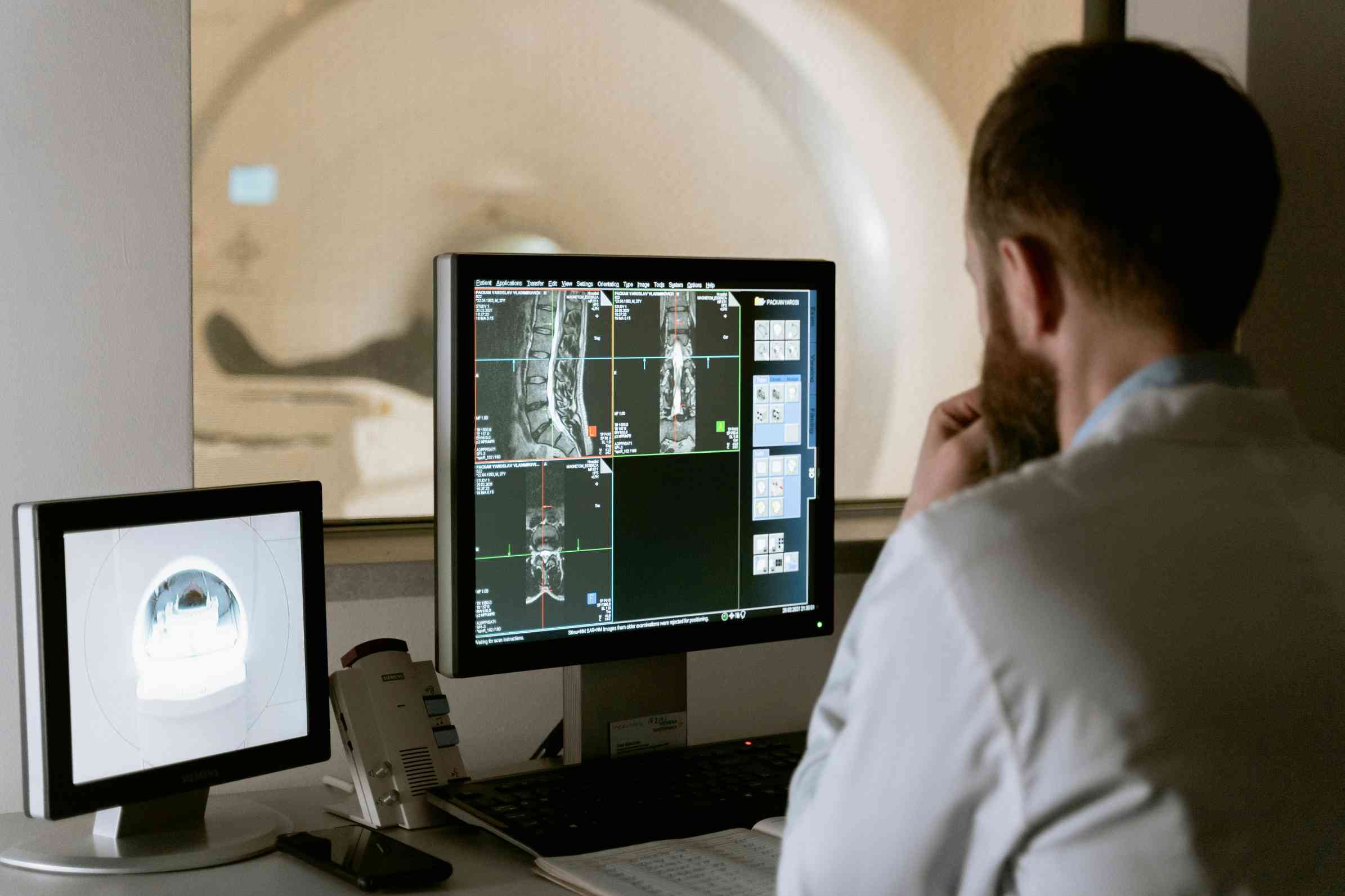
AI technologies, such as machine learning and deep learning algorithms, are increasingly becoming essential components in radiology software, enhancing diagnostic accuracy, efficiency, and overall patient care.
Enhanced Diagnostic Accuracy
One of the key benefits of integrating AI into radiology software is the significant improvement in diagnostic accuracy.
Machine learning algorithms are trained on vast datasets of medical images, enabling them to recognize patterns, anomalies, and subtle details that may escape the human eye.
This leads to more precise and reliable diagnoses, reducing the chances of errors and improving patient outcomes.
Also Read: How Artificial Intelligence Helps Improve Student Outcomes
Efficiency and Workflow Optimization
AI radiology software solutions contribute to workflow optimization by automating repetitive and time-consuming tasks.
Automated image analysis, for example, allows radiologists to focus on more complex aspects of diagnosis and treatment planning.
AI algorithms can quickly analyze large volumes of medical images, prioritize cases based on urgency, and provide preliminary findings, enabling healthcare professionals to make more informed decisions in a timely manner.
Early Detection and Predictive Analytics
AI’s ability to analyze complex patterns in medical images has opened new avenues for early detection of diseases and predictive analytics.
For example, in oncology, AI algorithms can identify subtle changes in imaging data that may indicate the presence of tumors at an early stage.
Early detection is crucial for initiating timely interventions and improving the chances of successful treatment.
Customized Treatment Plans
The integration of AI in radiology software also facilitates the development of personalized and targeted treatment plans.
Machine learning algorithms can analyze a patient’s medical history, genetic information, and imaging data to recommend individualized treatment options.
This personalized approach enhances the effectiveness of treatment while minimizing potential side effects, leading to better patient outcomes.
Challenges and Considerations
Despite the promising advancements, the integration of AI in radiology software solutions comes with its own set of challenges.
Ensuring the accuracy and reliability of AI algorithms, addressing data privacy concerns, and maintaining regulatory compliance are critical considerations.
Additionally, healthcare professionals need to be adequately trained to understand and trust AI-driven insights, fostering a collaborative environment between human expertise and machine intelligence.
Integration with Existing Systems
The successful integration of AI into radiology software requires seamless compatibility with existing healthcare systems.
Interoperability with Picture Archiving and Communication Systems (PACS) and Radiology Information Systems (RIS) is crucial to ensure a smooth transition and effective utilization of AI-powered tools.
Collaboration between technology developers and healthcare providers is essential to design systems that seamlessly integrate with the existing infrastructure.
Also Read: The Impact of PCB Design on Our Electronics
Continuous Learning and Adaptability
One of the strengths of AI in radiology software is its ability to continuously learn and adapt. Machine learning algorithms can be updated with new data and insights, allowing them to evolve and improve over time.
This adaptability is particularly valuable in the dynamic field of medicine, where diagnostic criteria and treatment protocols may change.
AI’s capacity to stay current with the latest medical knowledge ensures that radiology software remains at the forefront of technological advancements, providing healthcare professionals with up-to-date and reliable support in their decision-making processes.
The integration of Artificial Intelligence in radiology software solutions marks a transformative leap in the field of medical imaging.
AI’s ability to enhance diagnostic accuracy, optimize workflows, enable early detection, and support personalized treatment plans holds great promise for improving patient care.
As the technology continues to evolve, addressing challenges, ensuring regulatory compliance, and fostering collaboration between AI and healthcare professionals will be essential to unlock the full potential of AI in radiology.
With continued research, development, and integration efforts, AI is poised to play a central role in shaping the future of diagnostic imaging and healthcare delivery.
Leave a Reply